The future is here, and these once far fetched ideas are no longer sci-fi; they are real and evolving fast and embracing them now will put you ahead of the curve.
Intelligent machines, clean energy systems, and autonomous robots are changing the way we solve problems. As future innovators, understanding these innovations and other concepts will position you to thrive in tomorrow’s world. In this article, we’ll explore five futuristic concepts that you can start learning from now and why learning it today matters for anyone preparing to step into the world of innovation and technology.
Everything AI
Unlike traditional software that simply follows instructions, AI adapts and improves as it processes more information. Today it quietly works behind the scenes of everyday life and is reshaping industries.
Why it matters:
Tasks that once took hours or even days can now be completed in seconds, although checking the results for accuracy still needs to be factored in. This boost in speed still helps businesses work more efficiently., AI also changes how people work by taking over repetitive and routine tasks. It doesn’t replace human intelligence, instead it gives us more room to learn and grow and to focus on complex, higher level issues. In short, AI is allowing us to do more in less time.
Who it affects:
AI touches almost every part of our lives, often without us realizing it. Students make use of it to study; professionals turn to it to work more effectively, and most of us interact with it every day through our phones, apps, and gadgets. But it’s not just about convenience, as AI also brings real questions about jobs and fairness, especially for people whose roles are changing and where communities are becoming shaped by automated decisions. At its core, AI is transforming how we live, work, and adapt, nudging us to think differently about the world around us.
Digital Twins
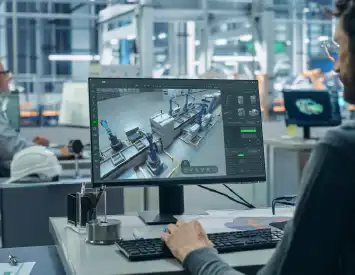
Unlike static drawings or models of proposed projects, the digital twin replicates the real entity and updates in real time using data from sensors. It quietly helps engineers and technical professionals see problems early before anything goes wrong in the real world.
Why it matters:
The Digital Twin concept is important because it changes the way we see and work in the world. Instead of trial and error, testing can be done in a virtual space, thus saving time, money, and stress. Digital Twins help us spot problems and make improvements before anything goes wrong. And adjustments can be made safely and with more confidence.
Who it affects:
Digital twins don’t just support engineers behind a screen; they affect everyday life. Commuters benefit from better traffic systems; residents live in safer buildings, and communities enjoy reliable services. Professionals are also learning new ways to work with data and simulations. For example, engineers and technical professionals use Digital Twins to see how a building or machine behaves before anything is built, and factory managers monitor virtual copies of equipment. Digital twins are helping people understand the real world better by learning from a virtual one first.
Human-Machine Integration
Instead of machines simply following commands, they now respond to human input. This integration blends human intuition with machine precision and is quietly changing how we interact with the world every day.
Why it matters:
Human-machine integration matters because it enhances what humans already do. Machines can handle complex calculations and monitor systems nonstop while humans provide judgment. This integration makes task completion more efficient, safer, and less time consuming. All whilst reducing errors and helping people focus on work that truly needs a human touch.
Who it affects:
Human-machine integration affects people, everyday in ways they may not even notice. Phones unlock using faces or fingerprints and cars assist with braking and parking. At work, operators use machines that respond to movement, voice, and touch.
Office workers rely on smart systems that automate repetitive tasks and support decision-making. In healthcare, patients wear devices that track vital signs, and surgeons use robotic tools that mirror their hand movements with greater precision. Anyone who uses technology that reacts is a part of human-machine integration.
Decentralized Clean Energy
Unlike centralized power plants that send electricity across great distances, decentralized energy comes from multiple smaller and local sources like rooftop solar panels and wind turbines. Decentralized grids produce and store power close to where it is required and used, thus giving communities stable and reliable energy when they need it.
Why it matters:
Decentralized energy matters because it makes power sustainable, drawing on renewable energy, reducing outages, and lowering costs.
Who it affects:
Decentralized energy impacts people in everyday life. Homeowners avoid power outages with solar panels and battery storage and enjoy lower bills. Businesses can keep operations going, and cities benefit from better-managed electricity for public services. Engineers and technical professionals must learn to balance production and consumption across many small sources.
Embracing new technologies like those mentioned here and embracing others that have yet to emerge will ensure you remain employable and sought after. The speed of uptake in these technologies will vary depending on your location in the world; but it is worth keeping an eye on what technologies your country is adopting. To stay ahead of the curve.
This article was published January 27th, 2026 and the content is current as at the date of publication.