Interested in engineering but still have a few reservations? Some questions are worth looking at more closely, especially when some are shaped by common misconceptions. Explore five engineering myths and gain a fresh perspective on how the profession is evolving to shape the future.
Engineering can seem intimidating at first, and common misconceptions can make the profession appear more challenging than it really is. As it evolves alongside Industry 4.0 and interdisciplinary problem solving, engineering offers diverse pathways for those interested in making a meaningful impact. Let’s explore five common engineering myths and discover why the reality of the profession is more dynamic than you might expect.
Behind Misconceptions
- Exceptional math skills are required - Engineering is often perceived as a profession that is heavily centered on advanced mathematics and high complex calculations that require exceptional mathematical ability to succeed. As a result, the field can appear intimidating to many aspiring engineering professionals. However, this perception does not fully reflect the breadth of engineering practice. While mathematics provides an important foundation, engineering is equally about analyzing problems and evaluating design alternatives. It involves integrating knowledge from multiple disciplines to develop practical solutions to real-world challenges.
- There is only one right answer and solution - Another common misconception in engineering is that technical problems have a single correct answer that can be reached through a fixed method. In practice, however, engineering professionals evaluate different approaches based on technical requirements, constraints, and stakeholders’ needs to determine the most appropriate solutions.
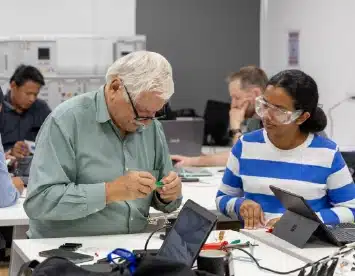
- Communication skills are not essential – It is also sometimes believed that the profession is focused on working individually with machines, codes, and drawings with limited need for communication and teamwork. But engineering is highly collaborative, where professionals regularly work with multidisciplinary teams and clients to achieve and deliver technical objectives.
- Engineering is mostly male-dominated – Engineering has long been associated with a predominantly male dominated workforce. But the profession is mostly defined by the knowledge and mindset needed to succeed rather than by gender, where qualities like adaptability and persistence play an important role in practice. In fact, current data reflects continued progress toward greater gender diversity across engineering disciplines. In Australia, as of June 2026, Engineers Australia reported 69,199 qualified female engineers, with 34,014 working directly in engineering roles across a range of disciplines. In the UK, women accounted for approximately 16.9% of the engineering and technology workforce, according to EngineeringUK’s May 2025 data. Across Africa, UNESCO’s 2023 data highlights the growing participation of women in STEM, with women representing nearly 30% of STEM graduates, reflecting the increasing presence of women pursuing pathways into science, technology, and engineering fields.
- Engineering is a fixed career path – Choosing an engineering discipline is sometimes viewed as committing to a single career path. But in real practice, engineering is highly interdisciplinary, and its core skills are transferable across different fields. Engineering professionals often move between disciplines and apply their expertise across multiple areas throughout their careers, especially in modern industry settings. This flexibility reflects the evolving nature of the profession, where adaptability is increasingly important.
The Reality of Modern Engineering
The reality of engineering practice is best understood through how skills are developed and applied. To build these capabilities requires a work integrated learning approach through engineering institutions such as the Engineering Institute of Technology (EIT). The following key points highlight what matters most for those considering a pathway in the field.
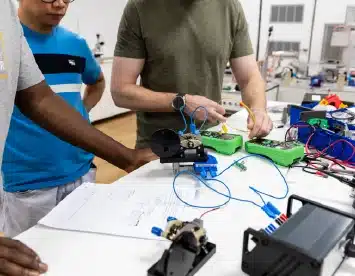
- Persistence and hands-on practice matter more – Engineering skills are developed through consistent practice. While mathematics provides an important foundation, professionals strengthen their knowledge by practice-oriented programs and consistently using provided course and reference materials, such as those offered by EIT, to help reinforce concepts and build confidence over time.
- There’s often more than one way to succeed – Engineering professionals compare different approaches before selecting the most appropriate solutions. Technical industry webinars and case studies, such as those available through EIT, provide exposure to how these decisions are made across disciplines.
- People skills are just as important as technical skills – The success of most engineering projects often relies on effective communication and teamwork across disciplines. These skills are strengthened through regular interaction with industry professionals and peers. Professional communities such as EIT’s LinkedIn group, IDC Conferences, research activities, and exhibits provide valuable opportunities to build professional networks and develop the communication skills expected in practice.
- Engineering is for everyone – Engineering welcomes interested individuals from diverse backgrounds and experiences. Resources such as EIT’s All Things Engineering podcast provide insights from professionals and educators to help learners explore different career pathways and perspectives across the profession.
- Flexibility is possible and common – Engineering careers are not limited to a single discipline. Developing interdisciplinary problem-solving skills helps engineering professionals apply their knowledge across different roles as career opportunities evolve.
Your Engineering Journey Starts Now
Understanding the realities of engineering can help provide a clearer perspective on what the profession truly involves. Common misconceptions should not discourage aspiring professionals from exploring the opportunities and possibilities the field offers. At EIT, learners can explore a range of engineering programs designed to support different career interests and stages of professional development. Explore the pathway that aligns with your interests and take the next step towards an engineering career.
References
Australia’s Untapped Workforce
The Engineering and Technology Workforce
Journal of South African Development
This article was published July 15th, 2026 and the content is current as at the date of publication.
Back to news