What if the most overlooked vulnerability in modern infrastructure isn’t in the systems we talk about most such as roads, power grids, or cyber networks? What if the real vulnerability lies deeper in the water infrastructure beneath our feet?
In this feature, we explore water security as an emerging critical infrastructure challenge and why it can no longer be overlooked. Inspired by the Engineering Institute of Technology‘s (EIT) All Things Engineering podcast episode, “Security: The Overlooked Dimension of National Security“, this feature explores security from an engineering perspective. As increasing industrial demand and climate-driven water scarcity place a growing strain on water supply, it raises urgent questions for engineering professionals about resilience, long-term planning, and whether essential water networks have the capacity to withstand ageing assets and climate variability.
Infrastructure and Early Development
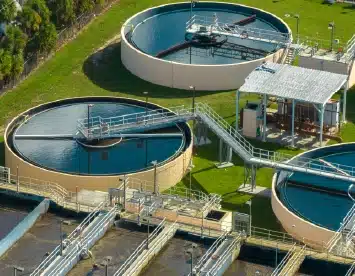
Water has always been central to human settlement and infrastructure development. It influenced early infrastructure systems such as water supply through wells and canals, irrigation networks for agriculture, and transport routes have evolved around reliable access to rivers, lakes, and groundwater sources. As populations grew and cities expanded, these simple systems evolved into complex networks of reservoirs, treatment plants, pipelines, and pumping stations that were designed to deliver safe and reliable supplies on a much larger scale. What was once a local resource is now gradually becoming a highly engineered infrastructure system that underpins public health and urban development.
A Slow Yet Critical Shift
Today, the challenge is no longer simply delivering water, but to ensure that these complex systems remain sustainable and capable of meeting future demand. According to the United Nations’ 2025 Sustainable Development Goals Report, water infrastructure is facing growing pressure worldwide. Around 10% of the global population now lives in areas experiencing critical water stress that is characterized by persistent shortages and depleted groundwater resources, while only 56% of domestic wastewater is safely treated. At the current pace of progress, the UN estimates that sustainable water management will not be achieved until at least 2049, highlighting the urgent need to strengthen the infrastructure that stores, treats, and distributes water.
These pressures are not confined to developing regions. Even countries with well-established water infrastructure are facing growing challenges. In Australia, prolonged droughts and population growth continue to test the resilience of water networks. Across the United Kingdom, increasing pressure from more frequent extreme weather events are driving the need for significant system upgrades.
Meanwhile, many parts of Africa continue to face persistent water insecurity due to limited access to reliable water services, rapid population growth, and increasing climate variability. Together, these challenges reinforce that water security is no longer simply an environmental concern, but a critical infrastructure challenge requiring long-term engineering solutions.
Making Every Drop Count
To respond to these growing pressures, engineering professionals are increasingly focusing on several key areas that can strengthen the reliability of water systems:
- Upgrading ageing infrastructure – most water assets such as reservoirs and pumping stations across many countries was built several decades ago and are now approaching or if not exceeding its intended service life. This increases the need for rehabilitation and replacement to comply with evolving regulatory standards and withstand increasing environmental pressures.
- Designing for climate resilience – engineering professionals are integrating adaptive designs such as drought-resistant supply systems, flood-resilient facilities, adaptive storage capacity, and flexible network designs that can withstand climate-related disruptions.
- Expanding water reuse – engineering solutions such as wastewater recycling, stormwater harvesting, and desalination are focused on diversifying water supply because of conventional freshwater sources growing under pressure.
- Digitalizing water networks – smart sensors, digital twins, AI, and predictive analytics are being integrated into modern water systems to provide real-time visibility and enable efficient resource management and proactive maintenance.
Engineering the Future of Water
As water security becomes a challenge for both present and future infrastructure, the demand for engineering education and professionals continues to grow. Institutions that deliver work integrated learning are critical in helping to secure sustainable water systems for future generations. At the Engineering Institute of Technology (EIT), these emerging issues are explored not only through its engineering courses
but also through its technical webinars, engineering podcast, and professional groups that connect learners with emerging issues in water security and sustainable engineering practices.
Reference
2025 Sustainability Development Goals
This article was published July 13th, 2026 and the content is current as at the date of publication.