As technology reshapes the engineering landscape, professionals are returning to study like never before. Through micro-credentials, short courses, and flexible learning options, engineers are gaining future-ready skills without putting their careers on hold. Here’s how and why the upskilling revolution is accelerating.
Why Engineers Are Upskilling Now
Engineering is changing faster than ever with new technologies like automation, artificial intelligence, sustainable systems, and digital modeling becoming part of daily work. As a result, engineers in all disciplines are finding that yesterday’s knowledge may no longer be enough.
Whether you’re a civil engineer working with smart infrastructure, a mechanical engineer dealing with robotics, or an electrical engineer learning about renewable grids, there’s pressure to keep up.
Tools, techniques, and expectations have evolved, and staying current has become essential to remain competitive and effective in the field. Many skilled workers who entered the workforce even five or 10 years ago now find gaps in their knowledge.
For example, knowing how to use basic CAD software might not be enough when employers are looking for skills in generative design or simulation modeling. The same is true in construction, manufacturing, mining, energy, and just about every other sector.
That’s why more engineers are heading back to school not for a full degree, but for practical, fast, and focused learning options that help them upgrade their skills without leaving their jobs.

Micro-Credentials and Short Courses Explained
Unlike traditional degrees, which take years to complete, micro-credentials and short courses are designed to be flexible and targeted. They focus on teaching a specific skill or area of knowledge that can be applied immediately at work.
Micro-credentials can often be completed in a matter of weeks or months. They are typically online, which means engineers can learn from anywhere, on their own schedule.
Topics include everything from data analysis and project management to machine learning, BIM (Building Information Modeling), and electric vehicle systems.
Short courses may be offered by universities, technical institutes, or private providers. Many are accredited, and some can even count toward a formal qualification later.
For example, a short course in process automation might also count toward a diploma or advanced certificate if the learner chooses to continue studying.
These types of learning options allow engineers to stay relevant in a fast-changing industry. They are also affordable, flexible, and often focused on real-world outcomes; making them ideal for professionals who want to learn without interrupting their careers.
Flexible Learning Makes It Possible
One of the main reasons engineers are able to return to study is the rise of flexible learning. With online platforms, recorded lectures, virtual labs, and self-paced modules, education no longer requires being on campus full-time.
For many working engineers, this flexibility is critical. It allows them to continue working full-time while studying part-time. It also gives them control over when and where they learn, whether during evenings, weekends, or on their commute.
Institutions like the Engineering Institute of Technology offer live online classes, combined with practical remote labs, allowing engineers to apply what they learn to real-world problems. Other programs may include forums, downloadable resources, and digital assessments that make it easy to fit study around a busy life.
The rise of online learning tools and professional development platforms has made it easier than ever to access up-to-date content from industry experts. Many courses are designed specifically for engineers who are already in the workforce, focusing on practical application rather than academic theory.
This approach to learning helps engineers stay sharp, build new skills, and stay confident in a constantly evolving profession.
Balancing Work, Study, and Life
For a working engineer, returning to study can be a challenge. Juggling job responsibilities, coursework, and personal commitments requires planning and discipline; but it is achievable with the right approach.
The key is time management. Many engineers create a weekly schedule that includes dedicated blocks of time for study. This might mean waking up earlier a few days a week, setting aside weekend mornings, or using lunch breaks to review materials.
It’s also helpful to set clear goals. Knowing what you want to achieve, whether it’s learning a specific skill, earning a certificate, or qualifying for a promotion keeps motivation high even when things get busy.
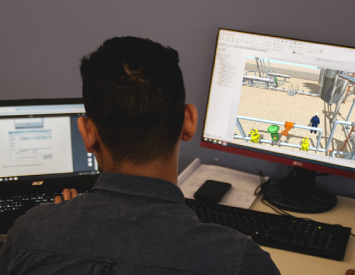
Support from employers and family can also make a big difference. Some engineering firms actively encourage upskilling and may provide time, funding, or resources to help. At home, communicating your study goals with family members can help set expectations and create a supportive environment.
Another smart strategy is to apply what you’re learning at work. If you’re studying project management, use those tools on your current projects. If you’re learning a new design software, try building your next model using those methods. This not only reinforces your knowledge but also adds immediate value to your role.
With planning, motivation, and flexibility, thousands of engineers around the world are successfully balancing full-time work and part-time study and gaining new opportunities as a result.
The Career Benefits of Upskilling
The rewards for upskilling are clear. Engineers who pursue continued education often report greater job satisfaction, improved performance, and better opportunities for advancement. In many cases, short courses and certifications can lead directly to promotions, new responsibilities, or even a shift into a more specialized role.
Employers value engineers who are proactive about their own development. Staying current with new technologies, standards, and tools shows initiative and adaptability; two of the most sought-after traits in today’s engineering workforce.
Upskilling also opens doors across industries. An electrical engineer who learns about automation and machine learning might find new roles in manufacturing, energy, or even healthcare tech. A civil engineer with skills in sustainable design may become more valuable as demand for green buildings grows.
Beyond the technical skills, returning to study can build confidence, refresh problem-solving abilities, and reconnect engineers with professional networks. Many programs include interactive components or group projects, allowing engineers to collaborate and learn from peers across industries and regions.
In a world where change is constant, upskilling gives engineers the tools to take control of their careers and stay prepared for whatever comes next.
References:
Why engineers must go back to school
3 Reasons European Engineers opt for Professional Certificates
This article was published June 20th, 2025 and the content is current as at the date of publication.
Back to news