As construction grows more complex and safety risks rise, robotic assistants are becoming vital allies on-site. With insights from Engineering Institute of Technology lecturer Dr. Ana Evangelista, we explore how smart machines are transforming job safety and supporting an aging, skilled workforce.
Robot Assistants: Why Their Help is Needed
This field remains one of the most physically demanding and hazardous industries in the world. Workers regularly face threats from heavy machinery, extreme heights, fatigue, and repetitive strain, especially as global workforces age.
In her 2025 paper, Assistant Robotic Machine for Hong Kong Construction Industry, Dr. Ana Evangelista from the Engineering Institute of Technology’s School of Civil Engineering emphasized that, “Health is the major factor for workers as the field is one of the most physically demanding industries.”
She noted that many of the injuries and fatalities stem from preventable risks: poor ergonomics, lack of training, and unclean or disordered worksites.
Dr. Evangelista’s research, conducted with Professor Vivian Tam, analyzed case studies to better understand injury hotspots and their root causes. One recurring insight: consistent safety measures (such as wellness programs, ergonomic support, and organized environments) can dramatically reduce incidents.
But with thousands of skilled workers nearing retirement, there’s a growing skills gap and a need for safer solutions to help extend the careers of older, experienced professionals. Enter robots: smart machines designed to support humans by taking on repetitive, dangerous, or high-risk tasks.

What They Actually Do
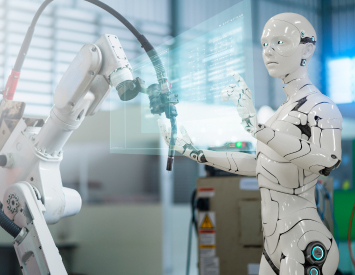
On construction sites they are more than just machines on wheels; they’re advanced, adaptive tools engineered to support human labor in real time. These devices come in many forms, from mobile exoskeletons to autonomous material carriers and site-scanning drones.
One class of machines, collaborative robots (or “cobots”), is designed to work side-by-side with humans. These robots lift heavy materials, hold tools in place for long periods, or assist in repetitive tasks that strain human joints and muscles. Their main goal isn’t to replace workers, it’s to protect and empower them.
Other robotic systems focus on data and safety monitoring. They scan environments for hazards, ensure compliance with safety protocols, and alert teams to potential issues. In chaotic, fast-moving construction zones, these machines act as extra eyes and ears, often spotting dangers humans might miss.
Dr. Evangelista emphasized the relevance of these technologies in aging workforces like that of Hong Kong. “Proper assistance in solving problems is required,” she wrote, “for the aging workforce in the construction industry.”
With experienced workers facing health challenges, robotic support can reduce physical strain and allow them to stay on the job longer and more safely.
Cost-benefit analyses conducted in her study also showed that while the upfront investment in these machines is significant, the long-term gains in injury reduction, productivity, and employee retention are substantial.
Real Robots in Real Construction Sites
These assistants aren’t just theoretical; they’re already helping engineers and construction crews in remarkable ways.
From skyscrapers to tunnels, these robotic tools are already embedded in modern engineering workflows, creating safer environments while increasing speed and consistency. Here are four real-world examples:
SAM100 – Semi-Automated Mason: Developed by Construction Robotics, the SAM100 lays bricks at impressive speed and consistency, reducing fatigue-related errors and injuries. Human masons supervise and fine-tune the robot’s work, creating a seamless blend of skill and automation.
Boston Dynamics’ Spot: This quadruped machine is deployed on large construction sites to carry out routine inspections, 3D scanning, and hazard monitoring. Spot can navigate rough terrain, climb stairs, and provide real-time visual feedback; keeping human inspectors out of dangerous areas.
Hilti Jaibot Drilling Robot: The Jaibot is an overhead drilling robot designed for commercial construction. It reads digital floor plans, locates drilling positions with laser precision, and performs repetitive tasks with accuracy; significantly reducing shoulder strain and injury risk.
4. Exoskeletons by Ekso Bionics and SuitX: These wearable machines support workers’ backs, arms, and legs, helping them lift heavy items or sustain overhead work. They don’t replace workers; they amplify their strength and endurance, making physically demanding jobs more sustainable.
Benefits Beyond the Obvious
The clear advantage of robotic assistants is improved safety. But their benefits extend far beyond injury prevention.
For one, productivity increases when tasks like bricklaying, welding, or drilling are automated or assisted. Robots don’t get tired, and their precision helps reduce rework and material waste. This allows skilled workers to focus on complex or creative tasks, improving project flow.
Secondly, the presence of robotic support can improve employee morale. Knowing they don’t have to strain their bodies day in and day out makes workers more likely to stay with a company longer, which is crucial in industries already facing talent shortages.
Dr. Evangelista’s study points to this as a critical success factor. “Aged workers provide a significant contribution to the construction industry in terms of skills, knowledge, and experience,” she writes.
Keeping these workers healthy and employed longer benefits not only companies but the entire industry.
There are also environmental benefits. Robots that perform precise cutting or drilling reduce material waste, while automated logistics tools optimize resource movement on site, cutting down on energy usage and inefficiencies.
Finally, as more construction firms embrace robotics, training and upskilling opportunities grow. Workers gain new tech-focused roles, operating or programming these machines, which can lead to higher pay and career longevity.
Engineering a Collaborative Future
The future of construction is not about humans versus robots, it’s about working with smart machines to build better, safer, and more efficient sites. As Dr. Evangelista’s research underscores, the needs of an aging workforce, paired with rising construction complexity, demand innovative solutions.
Forward-thinking engineering firms are already reimagining job roles to incorporate robotics at every stage, from planning to execution. With proper safety culture, ergonomic design, and supportive technology, construction sites can become far more inclusive, sustainable, and productive.
Newer generations of robotic assistants will include AI-powered decision-making, allowing them to dynamically respond to site conditions or schedule changes. Integration with Building Information Modeling (BIM) systems will enable even tighter control over project execution and quality.
Still, technology alone isn’t the solution. Human engineers must guide these tools, ensure ethical use, and prioritize worker welfare. It’s a partnership of muscle, mind, and machine, and it’s just getting started.
As Dr. Ana Evangelista and Professor Vivian Tam make clear: smart, thoughtful integration of these technologies can strengthen the industry, not replace its workers. The future of construction isn’t less human; it’s more humane, thanks to intelligent machines engineered with safety and support in mind.
References:
Assistant robotic machine for Hong Kong construction industry
Building the Future: How Robotics Is Revolutionizing Construction Through Automation
“Robot assistants” project aims to reinvent construction industry
This article was published June 20th, 2025 and the content is current as at the date of publication.
Back to news