Solar panels on every roof. Wind turbines stretching across coastlines. The future of power is renewable, but getting that clean energy into the grid isn’t as simple as flipping a switch. This is where power engineers shine. From energy storage to smart grids and demand response, these cutting-edge innovations are making renewable energy more reliable and accessible than ever. Here’s how the grid is getting a 21st-century upgrade.
The Power Engineering Challenge of Our Time
Let’s face it, renewable energy is no longer a niche trend, it’s the backbone of tomorrow’s energy system. Countries around the world are pledging net-zero targets, energy prices are rising, and public demand for sustainability is louder than ever.
But here’s the catch: the power grid we rely on wasn’t built with solar panels and wind farms in mind.
Traditional power systems were designed for predictable, centralized generation. With coal, gas, or hydro, you burn something (or spin something), and electricity flows steadily to homes and businesses. Renewables like solar and wind? Not so predictable.
They’re intermittent, weather-dependent, and spread out across rooftops, deserts, and remote hillsides.
Australia’s renewable energy transition offers a powerful real-world example of these innovations in action. With vast solar and wind resources, the country is rapidly scaling up clean energy generation. But integrating this into an aging grid has sparked major investment in battery storage, smart grid technologies, and decentralized systems. For engineers, Australia is more than a case study; it’s a live testing ground for the future of power.
That’s where engineering innovation steps in.
Integrating renewable energy into the grid isn’t just a technical hurdle, it’s a complete rethinking of how we generate, distribute, and consume electricity.
And for electrical engineers, especially those studying modern programs like the 52888WA Advanced Diploma of Applied Electrical Engineering (Power Industry) from the Engineering Institute of Technology (EIT), it’s an exciting frontier full of challenges and opportunities.
Here are the key innovations helping us bridge the gap between clean energy and grid reliability:
1. Energy Storage Systems: The Battery Boom
Ask any power engineer what the biggest challenge of renewables is, and you’ll probably hear one word: variability. The sun doesn’t shine 24/7, and wind doesn’t blow on command. That’s why energy storage is critical.
Batteries, especially lithium-ion and emerging solid-state technologies, are becoming grid assets. They store excess solar power during the day and release it at night. Large-scale systems like Tesla’s Megapacks and pumped hydro storage projects are already balancing loads across entire regions.
For engineers, this means working with power electronics, state-of-charge algorithms, thermal management, and fast-switching inverters. It’s hands-on, high-impact stuff.
2. Smart Grids: When the Grid Gets a Brain
Traditional grids are like one-way streets; energy flows from the power plant to your light switch. Smart grids? They’re more like multi-lane highways with sensors, feedback loops, and intelligent control.
Smart grids use IoT devices, advanced metering infrastructure (AMI), and machine learning to monitor grid performance in real time. They can reroute power during outages, balance load automatically, and even integrate millions of micro-generators like home solar panels.
If you’re studying something like the Advanced Diploma of Applied Electrical Engineering (Power Industry), you’ll gain a solid foundation in core electrical engineering principles that are highly relevant to modern power systems.
While smart grid design itself isn’t a primary focus, the knowledge gained in areas such as power distribution, electrical machines, and system protection provides a strong base for understanding and adapting to emerging technologies in the power industry.
3. Demand Response: Energy Efficiency on the User Side
What if, instead of just generating more power, we also got better at using less at the right times? That’s the idea behind demand response (DR). It shifts electricity usage away from peak demand periods to reduce strain on the grid.
Here’s how it works: when electricity demand spikes, large users (like factories or commercial buildings) get a signal to reduce their load temporarily, often in exchange for financial incentives. Some smart home devices even do this automatically.
For engineers, this involves working with building management systems, load forecasting models, and real-time control systems. It’s another way software and electrical engineering are coming together to make energy smarter.
4. Grid Inverters & Power Electronics: The Unsung Heroes
Ever wonder how solar panels and wind turbines actually “talk” to the grid? The answer lies in inverters and power electronics. These devices convert DC power from renewables into grid-compatible AC power, regulate voltage, and stabilize frequency.
Modern inverters can even perform grid-forming functions, creating stable power signals that other devices can sync to. That’s a game-changer for regions with high renewable penetration.
5. Decentralized Energy Systems: Power Goes Local
The rise of microgrids and distributed energy resources (DERs) means power no longer needs to come from a single giant plant. A school with solar panels, a village with a wind turbine, or a business running on its own battery system; all of these are now mini power producers.
Decentralized systems improve energy resilience, especially in remote or disaster-prone areas. But integrating them safely into the main grid requires careful planning, protective relays, synchronization, and advanced load balancing.
This is where future-ready engineers come in, trained in both theory and real-world systems through programs like those offered by institutions such as EIT.
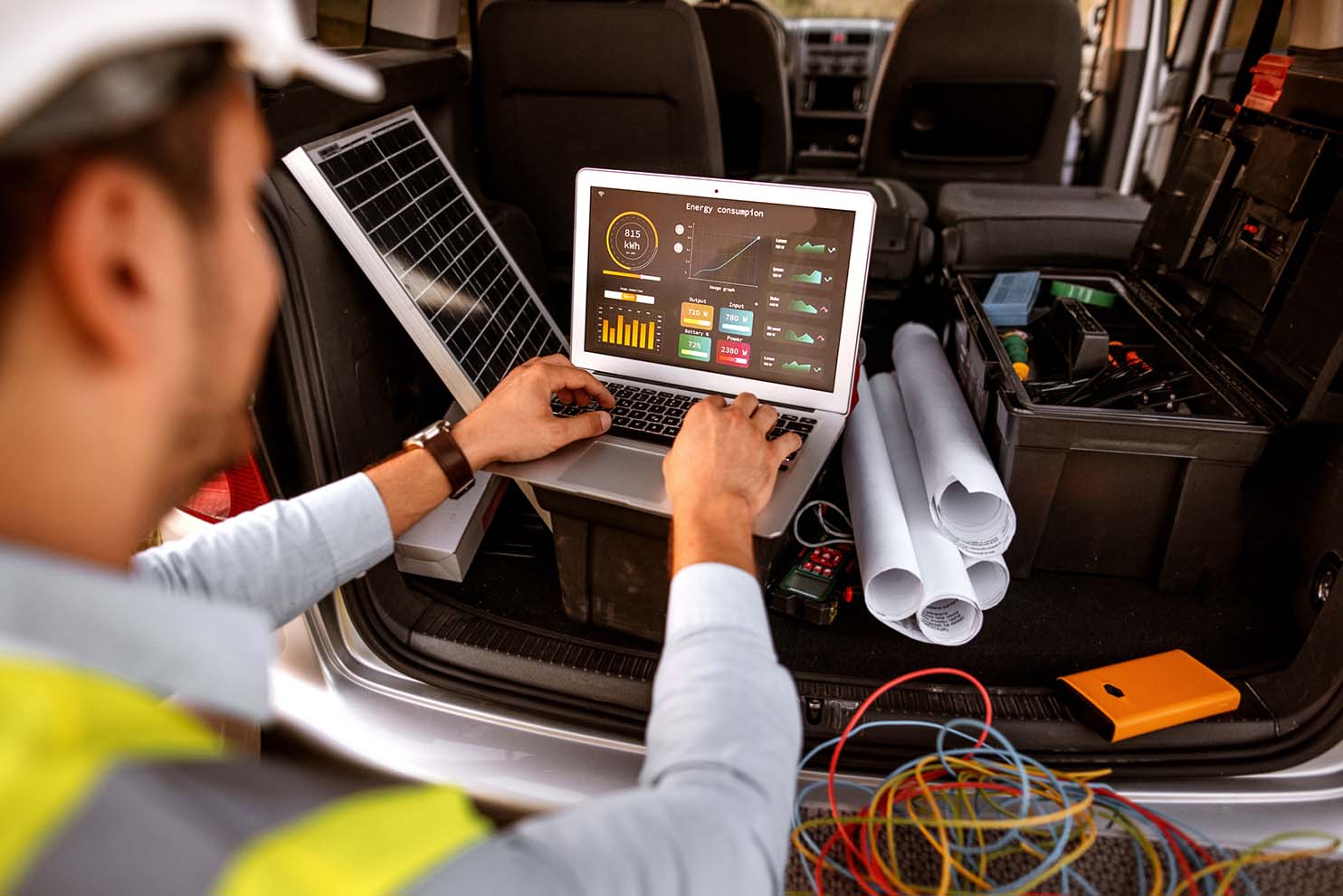
Engineers are Designing the Future
Integrating renewable energy into the grid isn’t just a technical challenge, it’s an engineering revolution. We’re moving from centralized, fossil-based systems to decentralized, digital, and sustainable networks powered by nature and controlled by code.
That’s why modern power engineering is more relevant, and more exciting, than ever. From energy storage and smart grids to inverters and demand response, the innovations reshaping our electricity systems need bright, curious minds behind them.
If you’re passionate about shaping the future of energy, there’s no better time to get involved. Whether you’re tinkering with home solar or pursuing and education in this area, every step brings you closer to powering a cleaner, smarter world.
Because in the energy systems of tomorrow, engineers aren’t just solving problems, they’re designing the future.
References
Hot 5 Recent Innovations in the Field of Electrical
52888WA Advanced Diploma of Applied Electrical Engineering (Power Industry)
This article was published July 31st, 2025 and the content is current as at the date of publication.
Back to news