


From Lagos to Ogun State, Nigerian electrical engineer Ambrose Anosike shares how studying online through EIT helped him transform his skills, earn global qualifications, and contribute to Nigeria’s energy future. He reflects on his journey of dedication, balance, and professional growth.
Curiosity Sparked an Engineering Calling
Ambrose’s fascination with electricity began in childhood. “I was always curious about how things worked,” he recalls. “What really caught my attention was how electricity powers everything around us; from lighting homes to running essential systems.”
That curiosity grew into a deeper desire to understand and work with electrical systems that form the backbone of modern life.
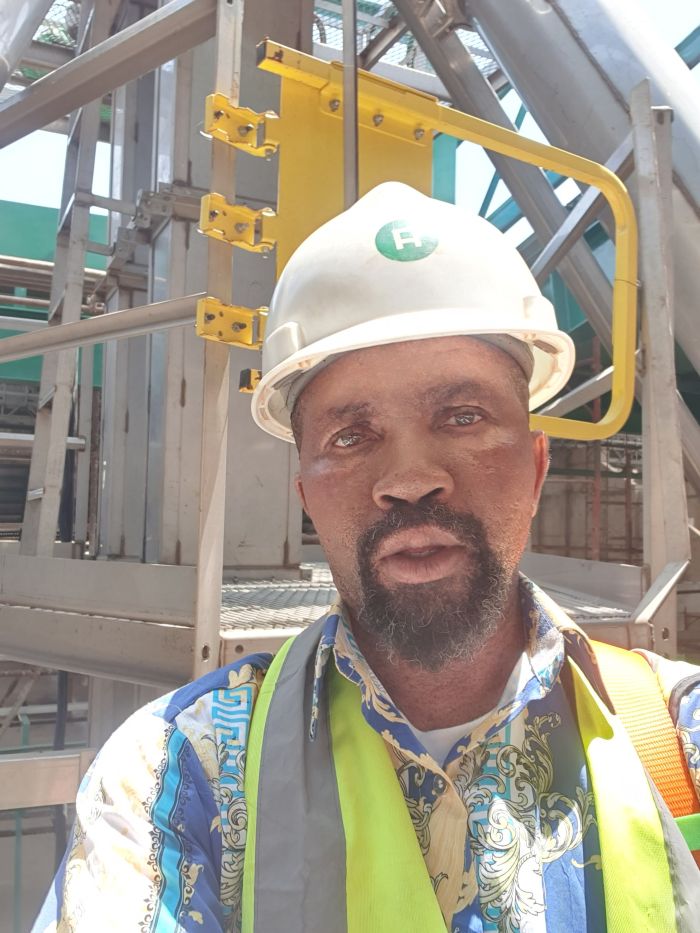
Over time, this passion solidified into a career path. He pursued opportunities that exposed him to real-world applications of electrical engineering, eventually serving as Electrical Project Engineer/QAQC at the OCP Africa Fertilizers Blending Plant in Sagamu, Ogun State, from 2019 to 2023.
Working on complex power systems and overseeing installations and quality assurance, Ambrose realized the growing need for advanced, up-to-date skills.
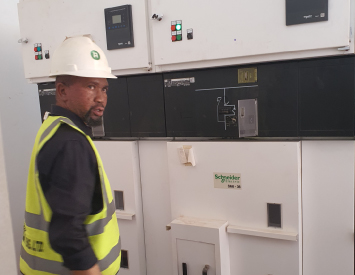
“The projects demanded knowledge of cutting-edge technology. I knew I had to upgrade my qualifications to match the demands of the modern energy industry,” he says.
This realization led him to the Engineering Institute of Technology (EIT), where he enrolled in the Professional Certificate of Competency in Power Distribution, followed by the 52888WA Advanced Diploma of Applied Electrical Engineering (Power Industry).
Both courses equipped him with deep technical knowledge and hands-on industry insight, specifically aligned with the power sector.
Why EIT Was the Right Fit
Choosing EIT was a strategic and informed decision. “I needed hands-on, practical training that I could apply right away,” Ambrose says. “EIT’s focus on real-world learning, combined with its global recognition, made it the right choice.”
Studying online while managing a demanding role in Nigeria came with its challenges, but Ambrose found the structure of EIT’s program supportive and adaptable.
He credits the platform’s live webinars, interactive forums, and responsive faculty with making the virtual classroom feel dynamic and engaging.
“Even though I was in Lagos or Ogun State, I felt connected,” he explains. “The ability to work with classmates from different countries in collaborative research projects was a bonus. It broadened my understanding of engineering from a global perspective.”
Balancing work and study were no small feat, especially with weekly travel between job sites and family in Lagos. Yet, Ambrose developed a dedicated schedule, prioritizing nighttime study sessions to stay on track.
“I had to sacrifice sleep sometimes,” he admits, “but it was worth it. I stayed focused on the bigger picture.”
Nigeria’s Energy Sector: Challenges and Open Doors
Ambrose speaks candidly about the obstacles facing electrical engineers in Nigeria: unreliable power infrastructure, insufficient practical training in universities, funding limitations, and ever-changing policies that stifle innovation.
“Many engineers in Nigeria leave for better opportunities abroad,” he says. “That talent drain hurts our growth.”
However, he also sees enormous potential for local professionals to drive transformative change.
“Nigeria has a huge opportunity in renewable energy [solar, wind, hydro] all of these are underutilized. We also need smart grids and improved infrastructure,” he explains.
Ambrose is especially excited about how digital transformation through AI, automation, and IoT can reshape industries and create new roles for engineers.
He believes this evolution will give rise to tech-based startups and global collaborations that empower engineers to become not just job seekers, but innovators and leaders.
From Certification to Career Confidence
Completing his EIT qualifications has had a profound impact on Ambrose’s career trajectory and confidence.
“The training gave me practical skills and aligned my knowledge with international standards,” he shares.
This edge has already opened doors to higher-level responsibilities and positions him competitively in the job market. He’s also taken steps to mentor and guide younger professionals in the field, sharing his insights and encouraging them to pursue specialized training.
Modules such as Remote Power Distribution, Professional Engineering Practice, and Smart Grid Systems provided Ambrose with tools he’s already applying in real-world projects. “What I learned wasn’t abstract; it’s directly relevant to what I do every day,” he says.
His long-term goal is to drive sustainable energy solutions across Nigeria, particularly in underserved communities. “Power access is still limited in many regions. I want to change that by applying smarter, more efficient energy systems.”
Advice for Engineers and Future Plans
To fellow Nigerian and international students considering online engineering education, Ambrose offers practical guidance: “Stay focused. Choose a program that is relevant to your field. Be disciplined with your time and take it seriously.”
He emphasizes that EIT’s blend of flexibility and academic rigor is ideal for working professionals, but it requires commitment.
“My wife and family were a big support system. She helped our kids understand that study time was important. That kind of support makes a difference.”
Looking ahead, Ambrose plans to continue contributing to Nigeria’s energy modernization through smart grid innovations, renewable energy projects, and national infrastructure upgrades. But his vision goes beyond technology.
“I want to build systems that not only work, but uplift communities. I believe education, innovation, and collaboration can bridge the gap between where we are and where we need to be.”
For Ambrose, the journey doesn’t end with his Advanced Diploma; it’s just the beginning of a mission to light up lives through engineering.
Are you ready to embark on a similar journey?
Contact Us