From biodegradable materials to energy-efficient manufacturing, engineers are pioneering sustainable solutions that minimize waste and maximize resource use. This article looks at how engineering is evolving to embrace circular economy principles, new materials, and innovative design techniques to build a greener future.
New Materials Revolutionizing Sustainable Engineering
Engineers today are exploring novel materials that reduce environmental impact throughout their lifecycle. Bioplastics, recycled composites, and bio-based polymers are replacing traditional, fossil-fuel derived substances in many applications. These materials often come from renewable sources and can be more easily recycled or composted, reducing landfill waste.
For instance, Adidas has developed shoes using biodegradable materials and recycled ocean plastics, illustrating how material innovation can blend sustainability with commercial viability. Similarly, researchers at MIT are creating concrete mixes that reduce carbon emissions by incorporating industrial byproducts like fly ash.
These materials require engineers to rethink design and production processes, taking into account durability, recyclability, and end-of-life options. It’s a shift from focusing solely on performance toward a holistic view of environmental impact.
Material scientists and mechanical engineers collaborate closely, combining knowledge to ensure these sustainable materials meet technical and safety standards. This interdisciplinary approach drives innovation and accelerates the adoption of greener materials across industries.
Incorporating these new materials means engineers must stay updated with evolving regulations and certification standards that encourage sustainable sourcing and disposal. This dynamic landscape challenges engineers to balance innovation with compliance and practical application.
Green Design Principles Reshaping Engineering Projects
Sustainability in engineering design goes beyond materials; it encompasses the entire product or system lifecycle. Engineers are embracing principles such as design for disassembly, modularity, and reuse to facilitate circularity. Designing products so components can be easily replaced or recycled reduces waste and encourages a shift away from single-use items.
An example is Philips Lighting’s modular LED products, designed so that worn-out components can be swapped instead of discarding the entire unit. This not only reduces waste but also lowers costs over time.
Engineers also apply energy efficiency principles in design, reducing energy consumption during manufacturing and product use. Passive cooling systems, lightweight structures, and optimized power management are common techniques.
Lifecycle assessment tools allow engineers to quantify environmental impacts from raw material extraction to disposal, guiding more informed design choices. These data-driven methods are becoming standard practice in sustainable engineering projects worldwide.
Collaborations between engineers, designers, and sustainability experts ensure projects meet both functional and ecological goals. This integrated approach is essential to truly embed circular economy principles in engineering design.
Evolving Manufacturing Techniques for Sustainability
Manufacturing processes have historically been energy- and waste-intensive; however, advancements are driving more sustainable methods. Additive manufacturing, or 3D printing, allows for precise material use and complex geometries that minimize waste compared to subtractive methods.
Companies like Siemens are implementing 3D printing in producing complex turbine parts, reducing material waste and energy use while improving part performance. Similarly, BMW uses additive manufacturing to produce lightweight components, enhancing fuel efficiency.
Automation and smart manufacturing optimize resource consumption by monitoring real-time energy use and reducing excess inventory. This helps factories lower their carbon footprint and operate more efficiently.
Closed-loop manufacturing systems recycle scrap materials back into production, reducing the need for virgin raw materials. Some automotive manufacturers have developed such processes, diverting waste from landfills and conserving resources.
These advancements require engineers to master new technologies and rethink traditional workflows. Embracing digital tools and sustainable manufacturing is critical to engineering’s evolving role in the circular economy.
Engineering Education Embracing Sustainability Trends
The shift towards sustainability is influencing engineering education globally. Curricula now incorporate environmental science, lifecycle thinking, and circular economy concepts alongside traditional technical subjects.
At the Engineering Institute of Technology (EIT), sustainability and lifecycle thinking are integrated into programs such as the Advanced Diploma of Mechanical Engineering Technology; this prepares engineers to consider material efficiency, product longevity, and emissions from the earliest design stages.
Workshops and certifications on sustainable design tools, lifecycle assessments, and green manufacturing techniques are also available to professional engineers seeking to expand their expertise.
This educational transformation equips engineers to lead in sustainable innovation, ensuring they possess the knowledge and skills needed to design and manufacture with the planet in mind.
EIT’s hands-on, industry-focused approach helps bridge the gap between theoretical knowledge and practical application, making graduates ready to tackle real-world sustainability challenges.
Real-World Examples Showcasing Sustainable Engineering
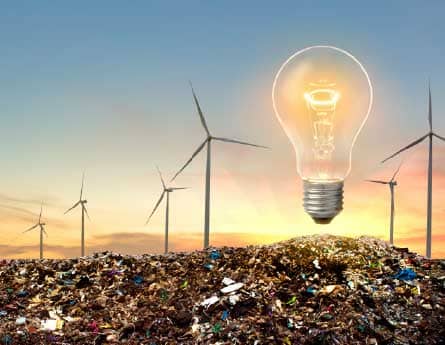
Real-world engineering projects showcase how circular economy principles translate into impactful outcomes. The city of Copenhagen’s waste-to-energy plant turns municipal waste into electricity and heating, reducing landfill use and greenhouse gas emissions. Civil and mechanical engineers played a vital role in designing this complex facility.
Interface, a global carpet tile manufacturer, uses recycled fishing nets and other waste materials to create sustainable products, demonstrating the feasibility of circular manufacturing models at scale.
Tesla’s Gigafactory incorporates sustainable building materials, renewable energy systems, and waste reduction strategies in producing electric vehicle batteries. Electrical and mechanical engineers collaborate to optimize energy consumption and material flows.
In Japan, companies like Panasonic have developed modular, repairable home appliances designed for long-term use and recyclability, reflecting a shift toward circular product life cycles.
These examples highlight the practical benefits and challenges of implementing sustainable engineering principles, inspiring others to adopt similar approaches.
Engineering the Sustainable Future’s Blueprint
Looking ahead, engineering will be central to realizing a truly circular economy. Emerging fields such as biomimicry, where engineers emulate nature’s efficiency, promise revolutionary design approaches. Smart materials that self-heal or biodegrade on demand could redefine product lifecycles.
Circular economy goals will push engineers to innovate in system-wide integration, connecting product design, manufacturing, distribution, and end-of-life processes seamlessly. Digital twins and AI will optimize resource flows and enable dynamic adaptation to environmental conditions.
Sustainability will become not only a design constraint but a driver of competitive advantage and creativity, transforming engineering from problem-solving to opportunity-creating.
The next generation of engineers will blend technical prowess with ecological sensitivity, forging careers that contribute to a regenerative future. As engineering tools and methodologies evolve, the profession stands ready to lead humanity towards a balanced relationship with the planet.
In this evolving landscape, engineers aren’t just builders of machines and structures; they are architects of sustainability and stewards of circular economies worldwide.
References
Transforming Waste to Wealth, Achieving Circular Economy
This article was published August 29th, 2025 and the content is current as at the date of publication.
Back to news