Imagine a city powered entirely by renewable energy, where electricity flows seamlessly, blackouts are rare, and your home’s energy use adjusts automatically to the weather. Behind this future is an artificial intelligence (AI) that predicts energy demand and keeps power flowing efficiently. AI is transforming the way we live, work, and power our cities from smart grids to self-healing wind turbines.
Making Renewable Energy Work for Everyone
Renewable energy offers a clean, sustainable future, but it comes with a set of unique challenges. Solar panels produce less electricity on cloudy days; wind turbines sit idle when the air is calm, and energy demand constantly fluctuates. Traditional grids weren’t built to handle this level of unpredictability, and this often leads to wasted energy or worse, blackouts. That’s where AI steps in as the unseen engineer that uses real-time data and predictive algorithms to make renewable energy sources stable, efficient, and seamless.
AI in Action: Smarter Energy Management
AI is changing the way we generate, distribute, and consume renewable energy.
Here’s how it’s changing the game:
Predictive Energy Management: Machine learning forecasts solar and wind output hours or days ahead, helping utilities plan energy supply efficiently. In Germany they are using AI to predict wind patterns, allowing cities to reduce dependence on backup fossil fuel power.
Smart Grids: AI optimizes electricity flow in real time, balancing supply and demand while minimizing energy loss. AI-controlled grids prevent overloads in California, even distributing energy from charging EV’s sitting idly across neighborhoods.
Predictive Maintenance: AI monitors turbines, solar panels, and batteries for early signs of damage and wear. In Denmark they are using AI-powered image recognition to detect small turbine blade cracks before failure occurs.
Battery and Storage Optimization: AI determines when to store and release energy, ensuring homes maximize renewable use while reducing costs.
Not Everything is Easy
While the future of AI is promising, integration faces several challenges:
Cybersecurity Risks: Smart grids are vulnerable to hacking, and this could disrupt an entire city’s energy system.
Data Privacy & Equity: AI relies on detailed energy usage data from consumers, and this raises concerns about privacy and ensuring fair access to all communities.
Infrastructure Costs: Retrofitting existing grids, installing sensors, and implementing AI systems can be expensive.
Technical Limitations: Algorithms require accurate data and frequent updates to handle unpredictable weather.
Scalability: Managing AI across large distributed renewable energy systems requires significant computing power and communication networks.
Regulatory and Compliance Barriers: AI systems may be limited in how they integrate and share data due to the varying energy regulations across countries and regions.
Engineering the Answers
To transform renewable energy from potential into a dependable, everyday resource, engineers are turning to AI-driven solutions that improve how renewable energy is generated, maintained, and delivered.
Here are some of the ways engineers and technical professionals are finding practical solutions:
Pilot Programs & Microgrids: Engineers are testing neighborhood-scale microgrids where AI manages locally generated solar and wind energy. These microgrids balance electricity supply by deciding when to power homes directly or redistribute it within the community to maintain a stable and reliable energy flow.
IoT Sensors & Predictive Analytics: Engineers and technical professionals have begun installing sensors on wind turbines, solar panels, and energy storage systems to track temperature and overall health in real time.
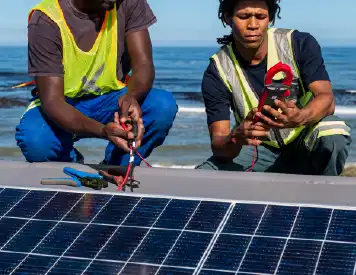
They can predict wear and failure before breakdowns happen and keep equipment running efficiently with less downtime by instead of through analyzing data through these sensors.
Dynamic Demand Response: Engineers are creating smart, energy-efficient devices that automatically balance electricity use, delivering savings and convenience for consumers while supporting the power grid. When renewable energy is abundant, homes can automatically charge electric vehicles and run appliances. When supply is limited, these systems adjust usage to reduce strain on the grid, helping households save energy and costs while keeping electricity reliable for everyone.
Urban Planning & AI Modeling: Engineers are using AI to study maps, land features, and weather patterns to decide where solar panels and wind turbines will work best. They can place renewable energy systems where they capture more sunlight and wind by testing different locations, making energy production more reliable over time.
The Next Era of Energy
As AI continues to advance, its impact on renewable energy is poised to transform the way we use power. AI could redefine entire energy systems and make communities more resilient.
Here are five exciting possibilities for the future of AI in renewable energy:
Autonomous Energy Cities: AI-managed grids could automatically balance energy generation, storage, and distribution across entire cities, reducing waste and preventing blackouts.
Peer-to-Peer Energy Trading: Households and businesses could trade excess solar or wind energy directly with each other, supported by AI and blockchain technology.
Smart Homes That Think Ahead: Homes can adjust electricity use automatically based on weather, energy availability, and personal habits, keeping households efficient without extra effort.
AI-Powered Microgrids: Localized microgrids can give communities self-sufficient, resilient power systems, which are especially useful during peak demand or emergencies.
Integrated Urban Systems: AI could coordinate energy, transportation, and buildings for maximum sustainability, creating cities that adapt seamlessly to both residents’ needs and environmental conditions.
Future Power, Today
AI in renewable energy isn’t just a technical upgrade, but a shift toward grids that are more responsive to human needs. The future of sustainable power is here. Are you ready to embrace it?
This article was published January 27th, 2026 and the content is current as at the date of publication.
Back to news