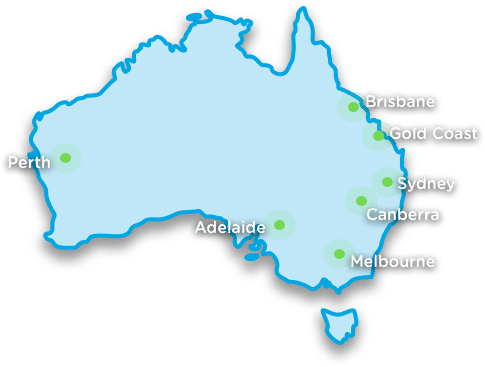
Australia is quietly laying the groundwork for one of the most important pieces of digital infrastructure in its history: the SMAP subsea cable. Named after the cities it connects, Sydney, Melbourne, Adelaide, and Perth, SMAP is a massive new undersea cable system that promises to transform the way data moves across the country.
For decades, Australia has relied heavily on older land-based routes to carry huge amounts of data from one side of the continent to the other.
While they’ve done the job, they’ve struggled to keep up with the explosion of demand driven by cloud computing, streaming, AI, and defense industries.
These bottlenecks have limited growth and left critical sectors exposed to vulnerabilities. A faster, more reliable solution has been long overdue.
SMAP changes that.
What Makes SMAP Special
- Speed and Capacity: SMAP will deliver over 400 terabits per second, making it one of the fastest connections of its kind in the world. That’s enough to stream millions of HD movies at once, but more importantly, it will support critical sectors like AI, advanced manufacturing, and defense.
- Energy Efficiency: The cable is being built using next-generation Spatial Division Multiplexing (SDM) technology. That’s a fancy way of saying it squeezes more capacity out of less power. In fact, it’s about 25 times more energy efficient than existing cross-country links.
- Built to Last: Unlike many fragile undersea cables, SMAP is being fully armored. That means it’s designed to handle hazards like anchors, fishing gear, and seabed conditions, reducing the risk of costly outages.
- Green Credentials: All of the landing stations are planned to run on 100% renewable energy, making it a rare piece of digital infrastructure that’s designed with sustainability in mind.
Progress So Far
The project has already hit some major milestones. The Perth landing has been completed, and new cable stations are under construction in Torquay (Victoria) and Adelaide. Manufacturing is underway, and if everything stays on track, SMAP will be ready for service in early 2026.
Interestingly, there were initial plans to extend the system to Tasmania, but that branch has been scrapped due to funding issues. For now, the focus remains on connecting the mainland’s major cities.
Why It Matters
Australia’s size and distance from the rest of the world have always posed challenges for connectivity. SMAP is about more than just faster internet; it’s about digital sovereignty, resilience, and futureproofing. By having our own high-capacity east-west connection, we’re less dependent on fragile overland systems and better prepared for the data-hungry industries of the future.
For South Australia in particular, the project could be transformative. Premier Peter Malinauskas has already highlighted how it could support growth in AI, defense, and space industries in Adelaide, putting the state on the map as a digital hub.
What SMAP Means for the Next Generation of Engineers
At EIT, we see projects like SMAP as more than just technological milestones; they’re real-world examples of engineering shaping the future. For students and professionals in electrical, mechanical, and data-related fields, high-capacity, resilient infrastructure like SMAP creates exciting opportunities to apply cutting-edge skills in areas such as network engineering, renewable energy integration, and large-scale systems design.
By studying at EIT, students gain the knowledge and hands-on experience to contribute to transformative projects like SMAP, preparing them for careers in industries that rely on innovation, digital connectivity, and sustainability. In other words, initiatives like SMAP aren’t just shaping Australia’s digital landscape; they’re inspiring the next generation of engineers who will build and maintain it.
Looking Ahead
When it goes live in 2026, SMAP won’t just be another cable; it’ll be the backbone of Australia’s digital future. From powering the next generation of AI to securing defense communications and boosting renewable-powered infrastructure, it’s the kind of project that rarely makes front-page news but quietly reshapes a nation’s future.
References:
Australia’s First Submarine Hypercable Ready for Ship Loading
Subco
Submarine Cable Networks
This article was published October 3rd, 2025 and the content is current as at the date of publication.