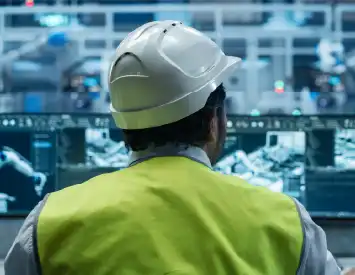
2026 is here. Are your engineering and technological skills ready? Discover 5 hybrid skills that will set you apart in the next wave of tech and innovation. The engineering world is evolving faster than ever and keeping up means more than just mastering technical know-how.
As 2026 welcomes a new wave of emerging engineering and technological trends, engineers and technical professionals need a mix of digital, technical, and interpersonal skills to stay relevant and competitive. Here are five hybrid skills that can help future-proof your engineering career.
Techno-Entrepreneurial Mindset
A techno-entrepreneurial mindset is about combining two ways of thinking: the logical, problem-solving approach of an engineer, and the opportunity-seeking, value-creating approach of an entrepreneur. In simple terms, it’s not just about knowing how to build something or fix a problem, this kind of mindset also asks questions like, why does this matter? Is this solution practical? Who will benefit from it? Can it be made faster or better? How can it make a real difference? Will it help people in the long run?
Engineers with this mindset answer these questions by looking beyond just completing tasks and following instructions. They look for opportunities where technology can solve real problems and make processes better. They think about how a solution creates value. For example, instead of merely designing a new water pump, they might think about how it can serve an entire community efficiently.
Digital-engineering Literacy
This hybrid form of literacy is about blending traditional engineering principles with the power of digital tools and technology. In simple terms, it’s not about knowing the formulas; it’s about knowing how technology can help you design and improve your projects. This kind of skill is also about asking questions like how can I make use of this particular tech to improve my design?
Engineers with digital-engineering literacy answer these questions by using simulations and software data to make their work more efficient while maintaining accuracy. They don’t just focus on completing calculations or building designs, but they make use of technology to optimize solutions. For example, when designing a new bridge, engineers may use simulation software to check its strength first and identify weak points before the actual construction begins, ensuring a safer and more efficient result.
Interdisciplinary Communication
This hybrid form of communication is about combining technical knowledge with the ability to explain, listen, and collaborate with people in different fields, so everyone understands the project’s goals and can contribute effectively. It also encourages engineers to ask questions like, does everyone understand this design? How will this solution impact other teams? Are there perspectives I’m missing?
Engineers and technical professionals who practice interdisciplinary communication answer these questions by actively engaging with colleagues from all relevant fields through clarifying ideas and incorporating feedback. They make sure everything is aligned across the project. By doing so, they don’t just create technically sound solutions but also make sure that those solutions are well-understood and successfully implemented in the real world.
Collaborative Systems Thinking
This hybrid form of collaboration combines technical expertise with strategic thinking and integration across all disciplines. It is about solving problems by understanding the system as a whole while working well with others at the same time. This kind of skill asks questions like how does this component affect the rest of the system? How can teams work together to make the solution better?
The collaborators consider the technical, social, and environmental impacts of their work. They make sure that everyone’s input is considered, and they create solutions that are efficient within the larger system. One example is when a team designs a transportation network, and they work with urban planners, energy experts, and community stakeholders to make sure every element fits together and functions smoothly within the larger system.
Master the Mix
As engineering evolves at lightning speed, mastering these 5 hybrid skills isn’t just an advantage; it’s a necessity. By developing a techno-entrepreneurial mindset, digital-engineering literacy, interdisciplinary communication, collaborative systems thinking, and adaptive learning, you’re leading the way and not just keeping up.
This article was published January 27th, 2026 and the content is current as at the date of publication.