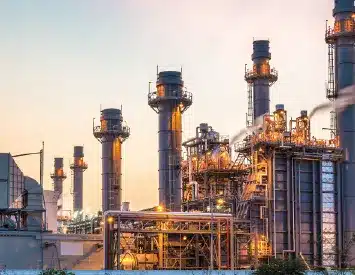
Designing and deploying instrumentation in hazardous oil and gas environments is one of the most demanding tasks in industrial engineering. From offshore platforms and refineries to liquefied natural gas terminals and upstream production sites, these environments present a unique combination of explosive atmospheres, corrosive chemicals, extreme temperatures, and mechanical stress.
Instrumentation failures in such conditions can lead not only to production losses but also to catastrophic safety incidents.
Preventing Ignition in Explosive Atmospheres
One of the most significant challenges in hazardous area of instrumentation is preventing ignition. Electrical and electronic devices can generate sparks, heat, or static electricity, any of which may ignite hydrocarbons if not properly controlled.
Intrinsically safe instruments limit electrical energy so that ignition is impossible under normal and fault conditions. Flameproof enclosures are designed to contain any internal explosion and prevent it from spreading to the surrounding atmosphere, while pressurized and purged enclosures maintain a protective gas environment to keep flammable gases out.
Selecting the appropriate protection method depends on multiple factors, but engineers must always balance safety with practicality and long-term reliability.
Corrosion and Material Degradation
Oil and gas environments are often highly corrosive. Exposure to hydrogen sulfide, saltwater, carbon dioxide, acids, and aggressive process chemicals can significantly shorten the lifespan of poorly designed instrumentation.
Common solutions include utilizing corrosion-resistant stainless steels, duplex and super duplex alloys, and nickel-based materials such as Inconel or Hastelloy. In many applications, isolation diaphragms, chemical seals, and protectives such as epoxy, PTFE, and ceramic coatings are also used to shield sensitive components from direct process exposure.
Failure to adequately address corrosion not only affects measurement accuracy but also increases maintenance costs and safety risks over time.
Operating Under Extreme Environmental Conditions
Instrumentation in oil and gas facilities must operate reliably under a wide range of environmental conditions. Devices may be exposed to extreme temperatures, high humidity, salt spray, vibration, mechanical shock, and ultraviolet radiation. Offshore installations and remote onshore sites often compound these challenges by limiting access for maintenance and repair.
Designing these conditions requires robust mechanical construction, appropriate ingress protection ratings, temperature-rated electronics, and vibration-resistant mounting. Environmental qualification testing such as IEC 60068 verifies that instruments can withstand worst-case operating scenarios before they are deployed in the field.
Maintaining Accuracy and Reliability
Accurate and reliable measurements are essential for safe and efficient oil and gas operations. In hazardous environments, maintaining measurement integrity over long periods is particularly challenging due to harsh operating conditions and limited maintenance windows.
Modern instrumentation is increasingly designed with built-in diagnostics and self-monitoring capabilities based on NAMUR NE107 standard. These features allow operators to detect issues such as sensor degradation, process buildup, or wiring faults before they affect process integrity. For critical measurements, redundancy is often employed to ensure continued operation even if one device stalls, as unplanned shutdowns or incorrect measurements can have significant safety and financial consequences.
International Safety Standards & Real-World Deployment
Even the most robust instrument can become unsafe if it is not properly installed or maintained. International safety standards such as the IEC 60079 series, ATEX directives, SIL (IEC 61508 / IEC 61511) for safety-instrumented systems, and various ISO and API specifications help set the bar, but engineers must still correctly interpret the requirements and apply them in the context of specific process conditions, environmental factors, and operational constraints.
Effective deployment likewise requires close coordination between instrumentation engineers, safety specialists, installers, and operations teams. A lifecycle approach—covering design, installation, commissioning, operation, and maintenance—is essential to ensure long-term safety and reliability.
The Future of Hazardous Area Instrumentation
Advances in digital communication, smart sensors, and industrial wireless technologies are transforming hazardous area of instrumentation. Wireless solutions reduce the need for extensive cabling, lowering installation complexity, and exposure to risk. At the same time, increased connectivity introduces new considerations related to functional safety and cybersecurity.
As oil and gas operations continue to evolve, instrumentation solutions must combine innovation with proven safety principles, ensuring that new technologies enhance rather than compromise hazardous area protection.
By combining robust design, appropriate material selection, careful installation, and ongoing monitoring, oil and gas operators can reduce risk, improve operational reliability, and ensure safe production throughout the lifecycle of their facilities.
This article was published February 21st, 2026 and the content is current as at the date of publication.