
Qualifications have always been regarded in the engineering field. Ask any employer what they’re looking for in engineering graduates, and you get “strong technical knowledge” as an answer. While mastering equations, systems, and software is vital, today’s industry demands well-rounded engineers who can think critically, collaborate effectively, and adapt constantly to change.
At the Engineering Institute of Technology (EIT), programs are designed to not only build technical competence but also foster practical skills that modern employers actively seek. Here are six of the most valuable life skills you’ll gain while pursuing your studies with us.
1. Problem-Solving in Real-World Contexts
Engineering, at its core, is all about solving problems. Not theoretical puzzles but complex, real-world challenges with multiple constraints, stakeholders, and consequences.
Through practical assignments, case studies, and industry-relevant projects, EIT students learn how to analyze ambiguous situations, identify root causes, and develop workable, efficient solutions, exactly the mindset employers look for when things don’t go according to plan.
2. Systems Thinking and Big-Picture Awareness
Modern engineering projects rarely exist in isolation. Whether working on power systems, industrial automation, or telecommunications networks, engineers must understand how individual components interact within larger systems.
EIT teaches you to see the whole picture firsthand by demonstrating how technical decisions affect safety, cost, sustainability, and performance. This ‘systems thinking’ mindset helps employers anticipate downstream impacts and make smarter, more strategic decisions.
3. Communication Skills (Yes, Even for Engineers)
A brilliant solution means little if it can’t be clearly explained. Engineers are expected to communicate ideas to colleagues, clients, and stakeholders who may not have a technical background.
Throughout your stay at EIT, you’ll be honed to write reports, deliver presentations, and explain concepts in clear, structured ways through group discussions and project documentation. This helps you develop confidence in sharing ideas — an underrated but critical skill that consistently ranks high on employers’ wish lists.
4. Professionalism and Time Management
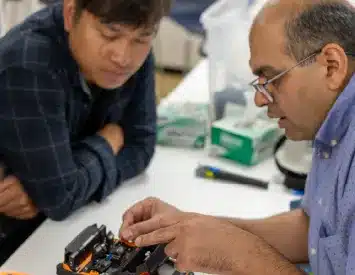
Deadlines, workloads, and standards are all essential in engineering.
EIT students are trained to work well under pressure through effective time management and task prioritization. These habits easily and directly translate to professional life, where reliability and accountability are just as important as technical expertise.
5. Collaboration Across Disciplines and Cultures
Engineering is a team sport. During your EIT studies, you’ll meet peers from different professional backgrounds, countries, and industries, particularly in online and blended learning environments.
This opens room for collaboration, emotional intelligence, and teamwork. Employers value engineers who can work effectively in diverse teams.
6. Adaptability and Lifelong Learning
Technology evolves rapidly, and engineers are expected to adapt just as fast. Employers constantly look for individuals who are comfortable learning on the job.
EIT prepares students by exposing them to various tools, technologies, and industry standards and practices, allowing them to stay relevant even after their academic stint.
An engineering degree, diploma, or certificate is more than just a credential; it’s a powerful skills-building experience. By the time EIT students graduate, they haven’t just learned and applied practical engineering skills and theory; they’ve also already developed a versatile toolkit that employers demand across industries worldwide.
Start engineering your future today.