Water scarcity challenges demand new solutions. Engineers skilled in water resource management and desalination are pivotal to addressing these issues globally. Discover how upskilling with EIT’s 52925WA Graduate Certificate in Water Resources Engineering aligns with today’s innovations and industry needs.
Water Engineering: More Than Traditional Infrastructure Work
Water engineering is often thought of as dams, pipelines, and pumps but the reality is far more complex. Modern water engineers deal with sustainability, advanced treatment processes, and climate adaptation.
With populations growing and climate change impacting water availability, engineers must innovate beyond basic infrastructure. Their role now includes designing resilient systems that optimize resource use under varying conditions.
Challenges such as water contamination, ecosystem preservation, and urban demand require engineers to integrate environmental science, digital tools, and management strategies.
The knowledge required spans hydrology, process engineering, and environmental impact assessment, highlighting the need for continual learning and professional development.
Programs like the 52925WA Graduate Certificate in Water Resources Engineering from EIT provide a practical, industry-aligned path for engineers to develop these advanced skills.
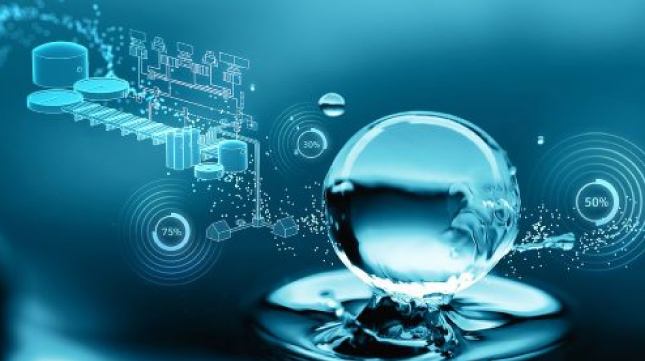
Desalination Technologies Are Becoming More Efficient
Desalination technology has advanced significantly in recent years, addressing the growing demand for potable water in arid and coastal regions.
Modern desalination plants rely heavily on reverse osmosis, a process improved by membrane technology and energy recovery systems to reduce costs and environmental footprint.
Emerging innovations also include hybrid desalination systems combining multiple methods, and renewable energy integration, such as solar-powered desalination plants.
Engineers working in this field require understanding of process design, operation, and environmental management to optimize plant performance and sustainability.
The EIT Graduate Certificate covers all these core desalination concepts, helping engineers stay current with emerging technologies and best practices.
Advanced Monitoring Systems Optimize Water Usage
Water management is increasingly data-driven, utilizing real-time monitoring and automation to conserve resources and improve system efficiency.
Smart sensors detect leaks, measure flow rates, and assess water quality across distribution networks. This allows for rapid response and reduces wastage.
In agriculture, precision irrigation technologies use soil moisture sensors and weather data to optimize water delivery, significantly improving water-use efficiency.
Urban water systems benefit from IoT-enabled networks that monitor consumption patterns, identify anomalies, and support maintenance planning.
By developing skills in these advanced monitoring techniques through programs like those offered by EIT, engineers can better manage complex water infrastructures.
4 Real-World Water Engineering Innovations
The following four projects showcase the diverse applications of water resource management and desalination technologies worldwide, highlighting the critical role of engineering expertise:
Perth Integrated Water Recycling Scheme (Australia)
This system treats wastewater to potable standards, supplementing Perth’s water supply while reducing reliance on desalination.
Carlsbad Desalination Plant (California, USA)
One of the largest seawater reverse osmosis plants in North America, it combines energy recovery technologies to improve efficiency.
Dubai’s Solar-Powered Desalination Pilot
A pilot project harnessing solar thermal energy to reduce the environmental impact of desalination.
Singapore’s NEWater Program
Advanced water recycling produces ultra-clean water using membrane technology and rigorous monitoring, enhancing the city-state’s water resilience.
Upskilling with EIT’s Graduate Certificate
The Engineering Institute of Technology Graduate Certificate is designed for engineers seeking focused education in water treatment, desalination, and resource management.
The course provides practical knowledge covering water cycle processes, treatment plant design, environmental impacts, and system monitoring.
Its flexible delivery model supports working professionals balancing career and study, enabling them to immediately apply new skills in their roles.

While the water sector’s demands vary by region, this qualification helps engineers engage confidently with current challenges and emerging technologies.
By aligning education with industry developments, the certificate supports professional growth in a sector essential for sustainable development.
Looking Forward: Water Engineering’s Future Impact
Water engineering will continue evolving with digital technologies such as AI and machine learning enabling predictive water management.
Advances in materials science promise more efficient filtration membranes and lower energy desalination solutions.
Integration of renewable energy in water treatment will become standard, supporting carbon reduction goals.
Continuous learning through programs like the one offered by EIT will help engineers adapt to these changes.
Ultimately, water engineers will remain crucial in securing reliable, sustainable water supplies amid global environmental and societal challenges.
References:
Exploring Innovations in Desalination Technology
EIT’s Graduate Certificate in Water Resources Engineering
6 Ways Civil Engineering Technology is Providing Access to Clean Water
This article was published June 30th, 2025 and the content is current as at the date of publication.
Back to news