Materials that are light yet strong are pushing the limits of what’s possible in high-performance engineering.
Why Weight Matters
Engineers begin the design process by ensuring strength and performance requirements are met, but weight quickly becomes a key consideration. A small increase in weight can significantly affect how an object moves, how much effort it requires, and its operating costs. That’s why keeping things light isn’t just a nice idea; it’s a smart design choice. When weight is reduced, systems use less energy, respond faster, and deliver better performance and control, all while lowering operating costs through reduced energy and fuel use.
This principle underpins innovation across multiple engineering disciplines. The key enabler? Lightweight materials.
Metals that Changed the Game
Aluminum and Titanium Alloys
These alloys deliver an optimal balance of strength and low weight, making them critical in high-performance applications.
Why these alloys are game changers:
Aluminum offers low weight and strong corrosion resistance, while titanium combines lightness with exceptional strength, enabling it to withstand extreme stress without fracturing.
Where they’re used:
Aerospace Engineering – in landing gear and engine components that endure repeated stress, vibration, and heat.
Automotive Engineering – in heat shields and engine parts exposed to high temperatures, and in wheel rims and suspension components that reduce weight and improve ride quality.
Biomedical Engineering – in dental implants for long-term durability and in surgical plates and screws that stabilize bones without adding bulk.
Renewable Energy – in hydroelectric turbine housings that reduce weight and resist corrosion, and in geothermal components that withstand high temperatures.
Marine Engineering – submarine hull and high-performance boat propellers that provide strength and corrosion resistance in saltwater environments.
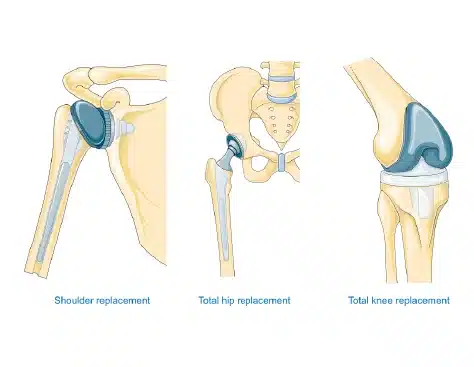
Construction and Civil Engineering – in seismic bracing for critical joints to absorb vibrations, and in aluminum curtain walls that offer weather resistance.
Defense and Military Applications – in missile casings, rocket nozzles and armor plates that reduce weight while keeping ballistic protection.
Robotics and Industrial Machinery – in precision aerospace tooling that reduces weight and in high-speed conveyor components that endure repeated industrial stress.
Magnesium Alloys
Magnesium alloys combine high strength, effective shock absorption, and good thermal conductivity, making them some of the lightest structural materials in use.
Why they matter:
Their low weight, high strength, and strong energy absorption make components made from these alloys naturally resistant to vibration and shock. Magnesium alloys also offer good thermal conductivity and can be combined with other metals to enhance corrosion resistance and mechanical performance. For engineers and technical professionals, these properties enable faster, lighter, and more efficient designs, opening the door to innovation where traditional metals would add unnecessary weight or bulk.
Where they’re used:
Aerospace Engineering – in interior aircraft components such as seat frames, cabin panels, and control housings; the reduced weight improves fuel efficiency without compromising safety.
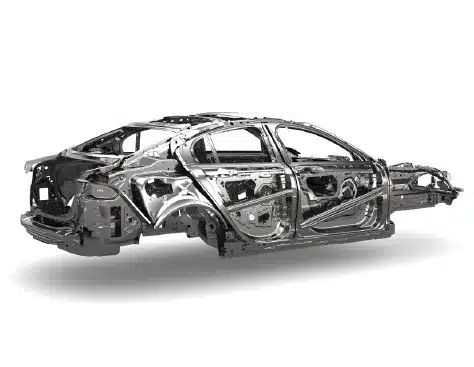
Automotive Engineering – in gearbox housings, engine covers, and steering wheels, to lower vehicle weight, improve acceleration, handling, and fuel efficiency.
Electronics and Consumer Devices – Found in laptop casings, smartphone frames, and camera bodies, where lightness and heat dissipation are crucial for performance and portability.
Sports and Recreation Equipment – in bicycle frames, tennis rackets, and golf club heads; the light weight and shock absorption results in better performance.
Marine Engineering – in boat fittings, outboard motor components, and navigation equipment, where reduced weight improves efficiency and corrosion resistance is essential.
Industrial Machinery – in pump housings, conveyor rollers, and tool components, to provide vibration damping, reduce wear and improve machine longevity.
Composites and Fibers: Beyond Metal
Carbon Fiber and Advanced Composites
These high-performance materials are created by combining strong fibers with resin to form lightweight yet exceptionally strong structures. Engineered for performance, they offer stiffness and strength that often exceed those of traditional metals, while weighing significantly less.
Why they matter:
Carbon fiber is valued for its exceptional strength-to-weight ratio, delivering stiffness and durability while remaining lightweight. Advanced composites add versatility, as they can be engineered to resist impact or provide controlled flexibility depending on the application.
Unlike metals, these materials can be designed to carry strength precisely where it is needed, allowing them to handle specific loads more efficiently. They are highly resistant to fatigue, maintaining performance under repeated stress, and exhibit minimal expansion or contraction with temperature changes, helping components stay aligned in extreme conditions. Their resistance to corrosion and chemicals also makes them well suited to harsh environments where metals may fail.
For engineers and technical professionals, this combination of strength, durability, and adaptability enables the creation of lightweight components tailored for specialized, high-performance applications.
Where they’re used:
Aerospace Engineering – in drone frames that carry heavier sensors without losing stability; in airplane wings to improve fuel efficiency and to perform smoothly at high speeds; in satellite structures where panels endure extreme forces when launched and harsh conditions in space.
Automotive Engineering – in sports car bodies where sleek carbon fiber panels let cars accelerate faster; in crash-resistant panels where advanced composites absorb impact energy that help protect passengers during collisions.
Biomedical Engineering – in prosthetics made from carbon fiber and surgical instruments made from composites; and in medical devices such as lightweight braces, supports, and implants that reduce strain on patients while remaining highly reliable.
Renewable Energy – in wind turbine blades that capture more energy without risking structural failure; solar panel supports that maintain durability against weather and corrosion.
Robotics and Industrial Machinery – in robotic arms that reduce weight while maintaining precision and strength, enabling smoother and faster movements; in exoskeletons that help wearers move freely; in precision machinery components that ensure machines operate reliably, even in tasks that demand extreme accuracy.
Extreme Materials for Extreme Conditions
Ceramics and Aerogels
Ceramics and aerogels are advanced materials valued for their lightweight, heat-resistant, and insulating properties. Ceramics are rigid and exceptionally strong under compression, while aerogels are ultra-light and highly porous, providing outstanding thermal insulation. Together, these materials enable engineers to address extreme environments and applications that traditional metals and composites cannot support.
Why they matter:
Ceramics are prized for their hardness, wear resistance, and ability to withstand high temperatures without deforming. Aerogels, by contrast, are extremely light and porous, making them ideal for insulation and impact absorption. Engineers and technical professionals value these materials for their ability to deliver high performance in extreme conditions, whether resisting heat, insulating against cold, or providing lightweight structural support. This enables designs that are both innovative and reliable.
Where they’re used:
Aerospace Engineering – Ceramics are used in heat shields, turbine components, and rocket nose cones, where extreme temperatures and friction must be endured. Aerogels are applied in insulating spacecraft panels to protect sensitive instruments from temperature fluctuations.
Automotive Engineering – Ceramics are found in brake discs and engine components that must resist high heat and wear. Aerogels are used in thermal insulation for electric vehicle battery packs, keeping temperatures stable, and improving performance.
Electronics and Energy – Ceramics are used in semiconductors, capacitors, and insulators, while aerogels serve as lightweight insulation in batteries, fuel cells, and solar panels.
Construction and Civil Engineering – Aerogels are used in high-performance insulation panels and windows, reducing energy consumption while keeping buildings lightweight. Ceramics are employed in flooring, structural tiles, and fire-resistant coatings.
Biomedical Engineering – Ceramics are used in dental crowns, bone grafts, and implants, providing biocompatibility, strength, and wear resistance.
Industrial Machinery – Ceramics are applied to abrasive tools, cutting edges, and wear-resistant liners, while aerogels are used for thermal insulation in high-temperature processes.
The Future is Lighter
The next generation of materials won’t just be lighter; they’ll be smarter. Imagine alloys that repair themselves, composites with embedded sensors, and aerogels that adapt to temperature changes. These innovations are set to redefine what engineers can achieve in performance, efficiency, and sustainability. Master these cutting-edge materials with EIT programs and take the lead in creating a lighter, smarter future in engineering and technology.
This article was published January 27th, 2026 and the content is current as at the date of publication.
Back to news